Building a Language Simulator With World Labs
This past weekend I teamed up with my wife and three year old for a World Labs hackathon and built a rough language simulator on the web.
Very proud that my three year old (our lead tester) remembered to order me a bobatea too. I’m going to cherish that clip for a long time!
The idea is simple: practice a language by completing a real task in a real-feeling place.
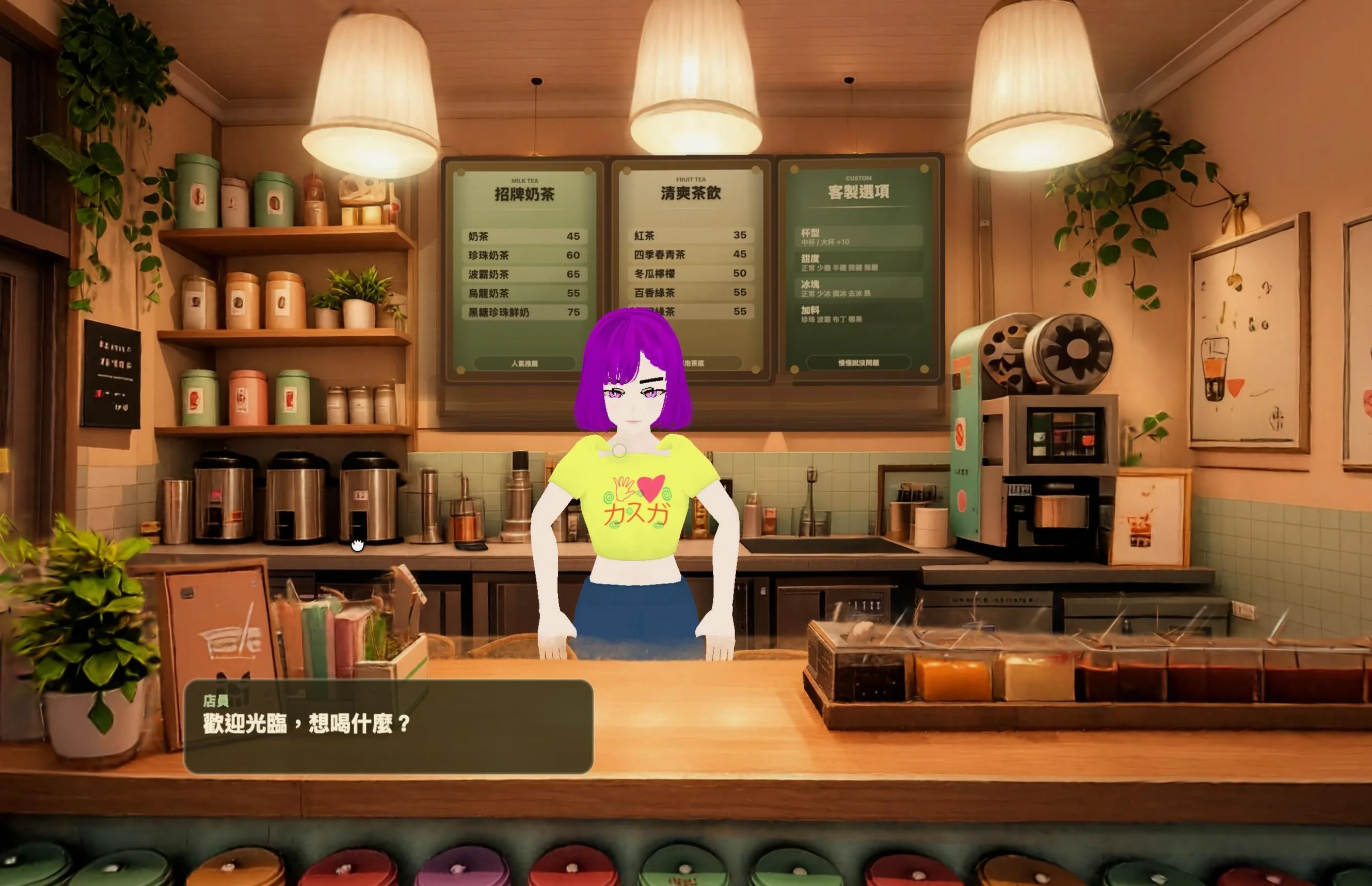
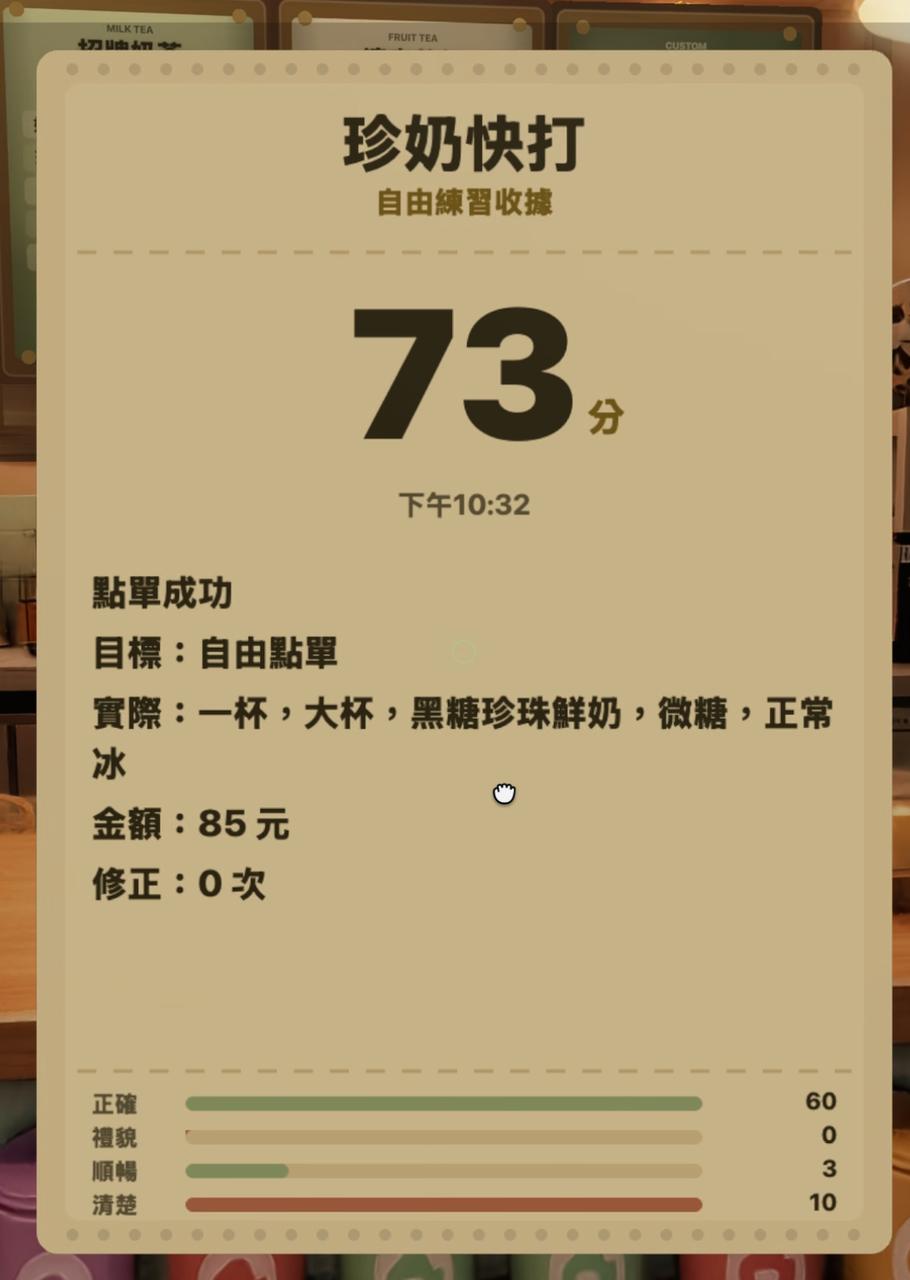
The first scenario is a Taiwanese boba tea shop. You stand at the counter, hear what you need to order, speak in Mandarin, answer the cashier’s follow-up questions, and get a scored receipt at the end.
It lets you rehearse and go again and again with variations until you feel comfortable.
Ordering a drink sounds small, but it contains a lot of real language pressure:
- choosing the right drink
- saying the size
- adjusting sweetness and ice
- fixing mistakes
- confirming the final order
- understanding the cashier
- doing it fast enough that it feels natural
This is where World Labs gets interesting. We can swap the environment, and swap the scenario. Today it is a boba shop in Mandarin. Tomorrow it could be a French bakery where you need to buy bread, ask about pastries, and understand the total. Maybe our agents just build these for us?
Tech Stack Overview
- World Labs Marble for creating the 3D environment
- Spark.js for rendering the Gaussian splat scene
- Google DeepMind Gemini Live for voice input and spoken responses
- Gemini TTS as a fallback for generated speech
- Three.js for bringing the scene to the web
- React, Vite, and TypeScript for the app layer
- Codex for helping wire the prototype together quickly
- Local parsing logic for fast order understanding before asking an LLM
The current demo is rough, but the shape feels right. The learner is trying to successfully complete a real task.
Welcome your thoughts on this hack!
Web based language sim built with @theworldlabs this past weekend.
— Matt C (@realmattbcool) May 12, 2026
No native app - @sparkjsdev, @threejs
First scenario: ordering boba in Mandarin inside a shop. You listen, respond, handle follow-up questions, and get a scorecard at the end. pic.twitter.com/ySXs7cN839